Emaar’s Dh200 billion masterplan: what it signals, and what I’d wait for
My take, in short
- Emaar committing Dh200 billion to a district for 150,000 residents is a real confidence signal about Dubai’s long-term demand, worth noting, not chasing.
- The developer is the reason to take the promise seriously: Emaar’s delivery record is what separates a masterplan from a rendering.
- A plan this size is a multi-year, multi-phase story. An announcement is where excitement peaks, not where value is proven.
- What I’d watch: the specific phase and its pricing, how and when the infrastructure is funded, and the supply this adds to an already-cooling market.
- My position: nothing here changes the discipline. It still has to clear the same gates.
Every so often an announcement is large enough that clients ask me about it directly. Emaar’s new Dubai masterplan (Dh200 billion, a district built for around 150,000 people) is one of them. So here is my honest read: what it signals, and the detail I’d want before it changes anything for a specific purchase.
What was actually announced
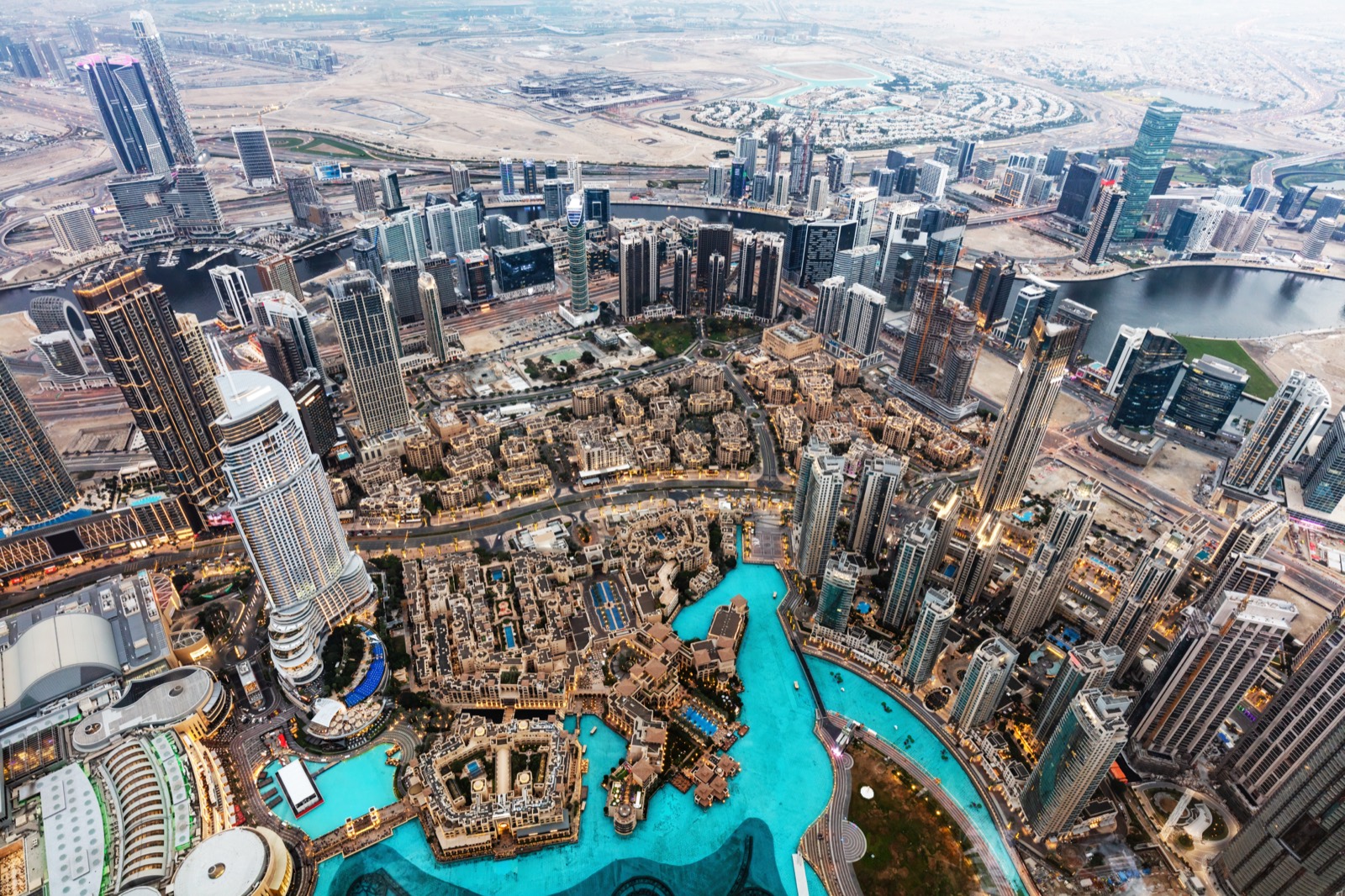
On 11 June 2026, Emaar’s founder Mohamed Alabbar unveiled plans for a new master-planned community in what the company calls the heart of Dubai. The headline figures: a Dh200 billion development with more than 4.5 million square metres of gross floor area, designed to house close to 150,000 residents. It is organised into five character zones (a business hub, an urban district, a young-families cluster, a family-living zone and an exclusive villa enclave) built to “20-minute city” principles, with a proposed metro connection and the usual civic layer of schools, healthcare, parks and retail.
Two things are worth stating plainly, because they matter. Some outlets have reported the community’s name as “Dubai Estate,” but that was not confirmed at unveiling, and the precise location, the pricing and the phasing are not yet public. In other words, we have the ambition and the scale. We do not yet have the specifics an investor actually buys on.
Why it matters
Three reasons I take it seriously, in order.
Scale is a confidence signal. A developer does not commit Dh200 billion to a single district unless it believes in years of structural demand. That sits comfortably with what the fundamentals already say: a population growing toward the 5.8 million target in the Dubai 2040 plan. It is a vote on the city’s trajectory, from the party with the most information.
Master-planned districts are where durable value tends to be engineered. Scarcity, infrastructure, amenity and a coherent sense of place are designed in from the start, rather than hoped for. When they are delivered well, that is what holds value through a cycle.
It is Emaar. This is the point that separates this from most launches. A promise to build a city for 150,000 people is only as good as the record behind it, and Emaar’s (Downtown, Dubai Marina, Dubai Hills, Emaar Beachfront) is the reason the promise is credible. In my framework, the developer gate is effectively cleared before I read a single price.
A masterplan is a statement of intent. I invest in phases, prices and exits, not intentions.
Where I’d be careful
Now the discipline. An unveiling is the point of maximum excitement and minimum detail, and that is exactly when investors overpay.
- There is nothing to underwrite yet. No confirmed location, no pricing, no phasing. You cannot assess value against figures that do not exist.
- It adds supply to a cooling market. The cycle has already softened from its peak. A district of this size feeds a delivery pipeline that will land over years, and supply, area by area, is what pressures price and rent at handover.
- Early phases carry the most risk. The first buyers into a multi-year build take on the most time and delivery risk, usually in exchange for the keenest launch pricing. That trade can be worth it, but only with eyes open.
- “Buy the launch” is not a strategy. Scale and a strong name are reasons to pay attention, not reasons to buy. They do not, by themselves, make any single unit a good investment.
When the detail lands, this goes through the same four gates every deal does: developer, area, market, exit. That is the whole method.
Read the Investment BlueprintHow I’d read it for a client
I don’t act on a masterplan. I act on a specific phase, with a price, a plan and an exit. When the detail is released, I’ll run it through the gates as I would anything else: the developer is Emaar, so that gate is met; the area gate waits on the confirmed location and, crucially, on funded infrastructure rather than promised infrastructure; the market gate asks what this supply does to the wider pipeline and to comparable communities; and the exit gate asks who the buyer is in five to seven years, and at what price.
Until those answers exist, this is context, not a recommendation. Genuinely interesting context, but context.
The bottom line
I’m positive about what this says about Dubai’s direction, and disciplined about what it means for any single purchase. The two are not in tension. When the first phase is priced, I would far rather be early to the right unit than first to the announcement, and I’ll be reading the detail with exactly that in mind.
Let us read the detail together when it lands.
When pricing and phasing are released, I’ll assess it against the fundamentals, and tell you plainly whether a specific phase is worth your capital.
Related insights

How to invest in Dubai property: a disciplined approach
The full sequence I run before any property earns a recommendation.
Read →
The case for Dubai property, without the hype
Record tourism, population against the 2040 target, and what to watch as the cycle cools.
Read →
Off-plan or ready: which fits your objective
The honest trade-off, and the risks the brochures leave out.
Read →